Soft Landing, Familiar Smells: The First 48 Hours Back From Boarding

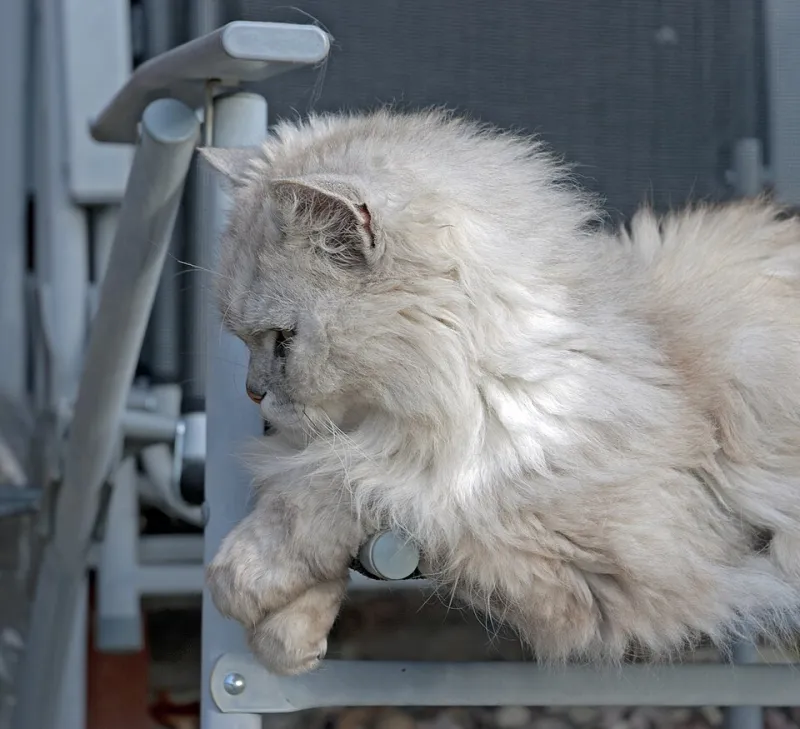
Photo: Francis Holl, CC BY 4.0, via Wikimedia Commons
When the carrier comes back through the front door, it is tempting to expect everything to click straight back into place. In reality, a cat who has just spent time at a cattery may want to sulk under the sofa, patrol every room, or demand a lap within seconds. All three are normal. The first 48 hours are less about returning to normal and more about letting your cat decide what normal feels like again.
At Todhill Cattery, we see the calmest homecomings happen when owners plan a soft landing rather than a grand reunion. Here is how to make those first couple of days gentle, practical, and reassuring for everyone.
Let Them Set the Pace
Keep the carrier on the floor when you get home, door open, and let your cat come out in their own time. Resist the urge to lift them out for a cuddle, even if you have missed them terribly. A cat who feels rushed may bolt for the nearest hiding place, and then you will spend the evening trying to coax them out.
If you have other pets, introductions should be slow and supervised. A brief scent swap through a closed door is often enough for the first few hours. Do not expect instant harmony. Cats are creatures of habit, and a cattery stay is a big change in their routine, even when the care is excellent.
Bring the Familiar Back
Scent is one of the quietest ways to tell a cat they are home. Before you collect them, put a favourite blanket, a worn T-shirt, or a soft toy in their carrier or in the room where they will settle. When you get back, place these familiar items in their usual spots. Avoid washing their bedding straight away; the smell of home is more reassuring than laundry-fresh linen.
Some owners use a plug-in pheromone diffuser, such as Feliway, in the room where the cat chooses to rest. It is not a magic wand, but it can take the edge off. If you already use one, keep it going. If you do not, there is no need to rush out and buy one unless your cat is particularly anxious.
A Quiet Room With Options
Give your cat a room with a few choices: a high perch, a cosy hide, a litter tray, and fresh water. Leave the door open once they seem settled, but keep the rest of the house calm for the first day. Loud music, visitors, and a vacuum cleaner can wait. If you have children, explain that the cat needs a little quiet time and that they can help by sitting still and letting the cat come to them.
A cat who has been in a cattery may be more alert than usual. They might check every corner, sniff every skirting board, or sit by the window watching the garden. That is normal reorientation. Let them explore, but keep doors and windows closed and check that any cat flaps are secure.
Rebuilding the Daily Rhythm
Catteries tend to run on a steady routine: breakfast, quiet time, dinner, litter checks, and gentle company. At home, try to mirror that rhythm for the first few days. Feed at the usual times, keep play sessions short and calm, and avoid changing too much at once.
If your cat is used to a particular feeding spot, use it. If they usually have a set bedtime, keep it. Routine is a kind of language, and it tells your cat that the world is predictable again. Do not worry if they eat a little less on the first evening. Offer small, tempting portions and fresh water, and keep an eye on the litter tray.
Reading the Sulks
A bit of post-stay attitude is common. Your cat might ignore you, turn their back, or choose the spare room over your company. This is not revenge; it is a cat's way of saying they need a little space to feel safe. Give them time. Sit quietly in the same room, talk in a soft voice, and let them make the first move.
Some cats are clingier than usual. They may follow you from room to room or demand extra lap time. That is fine too. Offer gentle reassurance without forcing contact. A slow blink from across the room is often worth more than a full-on cuddle.
When to Ring the Vet
Most post-stay behaviour settles within a couple of days. However, contact your vet if your cat stops eating for more than 24 hours, seems lethargic, hides constantly, has diarrhoea or vomiting, strains in the litter tray, or shows signs of pain. If they have a pre-existing condition, keep a closer eye on them and follow your vet's advice.
It is also worth checking in with the cattery if you are worried about anything that happened during the stay. A good cattery will be happy to talk through their observations. At Todhill, we would always rather answer a question than have an owner worry in silence.
A Soft Landing
The homecoming is not a test of how much your cat missed you. It is simply another transition, and transitions go better with patience. Keep things quiet, keep familiar things close, and let your cat choose the pace. Before long, the sulks will fade, the routine will return, and you will hear that homecoming purr again — on your cat's schedule, not yours.