Room to Hide, Light to Rest: The Quiet Details That Make a Cattery Feel Safe
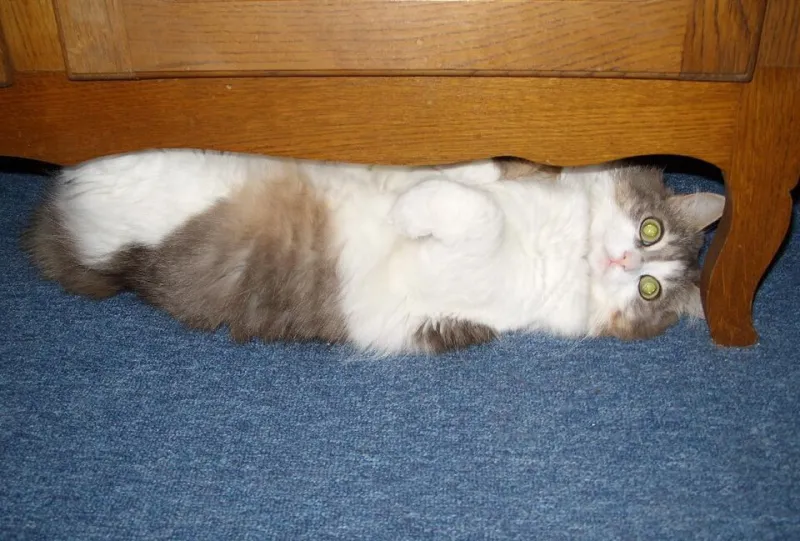
Photo: Perditax, CC BY 3.0, via Wikimedia Commons
When we imagine a cattery, we often picture rows of clean pens and a tidy reception. Cats, of course, notice something quite different. They notice whether there is somewhere to hide, whether the lighting is harsh, whether the air smells of strong disinfectant, and whether the floor underfoot feels secure. At Todhill Cattery, we think the cosiest stays are built from these quiet details — the sort of choices that do not shout for attention but make a real difference to a cat's sense of safety.
A hiding place is not a luxury
For a cat, being able to disappear is a basic comfort. A covered bed, a cardboard box, a shelf with a soft blanket draped over the front — these are not indulgences. They are ways for a cat to control how much of the world they meet at once. When you visit or enquire about a cattery, ask where a nervous cat can hide. A thoughtful provider will have an answer that goes beyond a simple bed in the corner.
Good hiding spots should be clean, safe and easy for the team to check without dragging the cat out. They should also be available in every room, not just the ones used for long stays. A cat who can retreat is a cat who is more likely to eat, drink and rest.
Height changes everything
Cats feel safer when they can see their surroundings from above. Vertical space — shelves, ramps, sturdy perches and raised beds — gives them a sense of control. It also lets them choose whether to be close to the action or well away from it. When you look around a cattery, notice whether the high places are secure and whether there are steps or ramps for older cats who should not be jumping too far.
A perch does not need to be elaborate. A simple shelf with a non-slip surface and a clear view can be enough. What matters is that the cat can use it without wobbling and that it is not positioned directly over a busy walkway.
Scent is part of comfort
Cats rely on smell far more than we do. A new environment is already full of unfamiliar scents, so strong cleaning products, air fresheners or plug-ins can be overwhelming. Ask how the cattery cleans and whether rooms are aired and rinsed thoroughly. A faint smell of clean bedding is reassuring; a wall of lavender or bleach is not.
Scent continuity from home can help enormously. Ask whether you can bring a familiar blanket, a worn T-shirt or a small toy. At Todhill Cattery, we understand that these little pieces of home are not just sentimental. They are practical comfort for a cat who is finding their feet.
Soft bedding and warm spots
UK weather can turn chilly, and a cosy bed is one of the simplest pleasures a cattery can offer. Look for soft fleece, igloo beds and extra blankets in winter. Ask how often bedding is changed and whether the team can provide a warmer spot for a cat who feels the cold. Older cats, in particular, appreciate a bed that is low to the ground and away from draughts.
Toys should be safe as well as fun. Avoid anything with long ribbons or small parts that could be chewed. A simple ping-pong ball or a soft toy can be plenty.
Gentle lighting and quiet zones
Harsh fluorescent lights and constant noise are tiring for cats. Natural light, soft evening lighting and a dim night light can help a cat relax. Ask how the cattery is lit at night and whether there are quiet zones away from reception, the laundry, the kitchen and any dog boarding areas. A radio or television may be used for background sound in some catteries, but it should not be so loud that it becomes another source of stress.
Quiet does not mean silent. It means the environment is not constantly demanding a cat's attention. That is a design choice, and it is one worth asking about.
Food, water and litter in the right places
Cats are fastidious about where they eat and where they toilet. A well-designed cattery keeps food, water and litter separate. Water should be fresh and away from food, and litter trays should offer privacy without being hidden in a dark, cramped corner. Ask how often litter is cleaned and whether the team monitors eating, drinking and litter use. These small observations are often the first sign that a cat is settling well.
Questions to ask when choosing a cattery
- Where will my cat be able to hide if they feel nervous?
- Can I bring familiar bedding or a worn T-shirt?
- How are rooms arranged in relation to noise and footfall?
- What is the lighting like at night?
- How do you manage scent and cleaning products?
- Do you have high perches and low beds for different cats?
- How do you monitor eating, drinking and litter use?
- Can I see the room my cat will stay in?
You do not need to ask every question at once. A short conversation is usually enough to tell whether a provider thinks about the cat's experience or just the practicalities of boarding.
The Todhill approach
At Todhill Cattery, gentle care and cosy stays are not just words on a website. They are the reason we think about hiding spots, soft bedding, quiet corners and the scent of home. Every cat is different. Some want to watch the world from a high shelf; others want a snug igloo bed and a peaceful view of nothing at all. The best catteries make room for both.
When you choose a boarding provider, look for the details that will never appear in a glossy brochure: the covered bed, the shelf by the window, the gentle lighting, the team who notices that a cat has eaten a little less than usual. Those are the things that help a cat feel at home. And they are the things we believe every cosy cattery should get right.