Older Whiskers, Softer Landings: Making Boarding Comfortable for Senior Cats
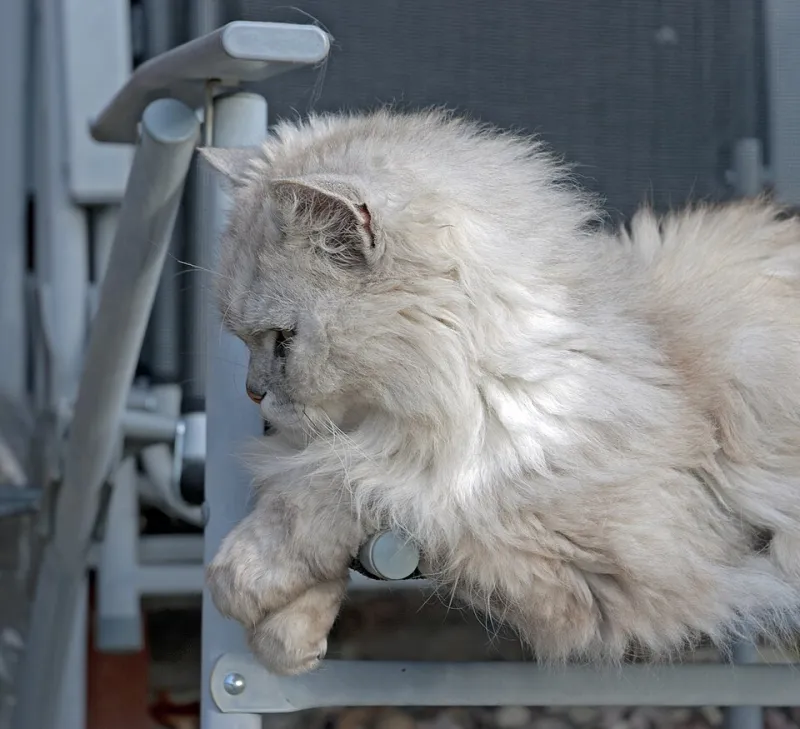
Photo: Berit from Redhill/Surrey, UK, CC BY 2.0, via Wikimedia Commons
Ageing cats are not fragile by default. Many older cats are steady, sociable, and quite set in their ways, and a well-run cattery can suit them very well. The trick is to match the stay to the cat in front of you, not to the number on the vaccination card. Senior cats often need warmth, easy access, a quieter corner, and staff who notice small changes. With those pieces in place, boarding can be a gentle pause rather than a disruption.
Why senior cats deserve a slower pace
As cats get older, their world can shrink in subtle ways. Arthritis may make jumping less appealing. Eyesight and hearing may dull. Kidney disease, thyroid problems, dental pain, and diabetes can all affect appetite, drinking, and litter habits. None of this means your cat cannot board. It means the cattery needs to know what normal looks like for your cat, and what to watch for. A senior cat is often very good at hiding discomfort, so quiet observation matters more than grand gestures.
Warmth is not a luxury
Older cats can feel the cold more than younger ones. Thin coats, less body fat, and stiff joints all make a warm bed more important. Ask whether the cattery can offer a heated pad, a raised bed, or simply a snug spot away from draughts. Pack a familiar blanket, but also think about where it will go. A bed on the floor in a warm corner may suit better than a high shelf. In winter, a little extra warmth can change a restless night into a proper sleep.
Easy access beats an obstacle course
Look at the room through your cat's eyes. Is the litter tray low-sided? Can your cat step into it without a jump? Is food and water within easy reach? Are there non-slip mats on smooth floors? A senior cat with arthritis may manage a short hop on a good day and struggle on a cold morning. If your cat is blind or deaf, mention it. Staff can then avoid moving furniture unnecessarily and approach with care. Small adjustments, such as a litter tray closer to the bed, can make a big difference.
Quiet placement and gentle routines
A senior cat does not need to be in the middle of the action. Ask for a quieter room or pen away from busy walkways, noisy doors, and younger, bouncier cats. Routine matters too. If your cat eats at six in the morning and again at five, say so. If they prefer a particular type of litter, bring a bag. If they like a covered bed, send it. The aim is not to recreate home exactly, but to keep the important rhythms recognisable.
Medication, supplements and the one-page plan
Medication is often the part owners worry about most. Write a clear one-page plan with the following: the medicine name, dose, timing, whether it is given with food, and what to do if a dose is missed. Include your vet's details and an emergency contact. Bring medication in its original packaging, with enough spare for the whole stay. If your cat is on insulin or has a condition that needs close monitoring, ask in advance whether the cattery is experienced and insured to manage it. Never assume. A good cattery will be honest about what it can and cannot do.
Talking to your vet before the stay
A pre-boarding check is rarely a bad idea for an older cat. It gives your vet a chance to review medication, weight, dental health, and any mobility issues. Ask whether your vet has any specific instructions for boarding, and whether they are happy for the cattery to contact them if needed. If your cat is due a vaccination booster, sort it well before arrival. Also check that your insurance policy and microchip details are up to date. These are dull jobs, but they remove a layer of worry.
The handover: what staff really need to know
At drop-off, be specific but brief. Tell staff how your cat likes to be approached, whether they can be picked up, and how to support stiff back legs if they can. Mention appetite quirks: the cat who grazes, the cat who needs food warmed, the cat who will not drink beside a litter tray. Explain litter habits, including any recent changes. If your cat has a favourite hiding spot at home, describe it. A cattery can offer a similar nook. Keep your goodbye calm and short. Your cat will read your tone more than your words.
The first night and the days after
Do not expect a senior cat to bounce out of the carrier and explore. Hiding is normal. A quiet cat may sleep for the first afternoon and pick at dinner. Ask staff to check appetite, drinking, and litter use gently, without crowding. A brief update the next morning can be reassuring. Remember that a cat who is slow to settle is not necessarily unhappy; they may simply be taking their time. Age brings caution, and caution deserves patience.
Planning ahead for peace of mind
Book early, especially for school holidays and Christmas, when quiet pens are in demand. Ask about the cattery's arrangements for contacting a vet, and make sure your contact numbers are current. If your cat needs a particular brand of food, confirm it will be available or bring it. A little forward planning means the stay is shaped around your cat, not around an emergency.
At Todhill Cattery, we like to know the small things: the bed your cat always chooses, the way they ask for water, the look they give when they want to be left alone. Those details are not fussy. They are the difference between a stay that is merely safe and one that feels genuinely comfortable. Older whiskers deserve softer landings, and a well-prepared boarding stay can offer exactly that.