Soft Eyes, Loose Paws: Reading the Quiet Signs Your Cat Is Settling In

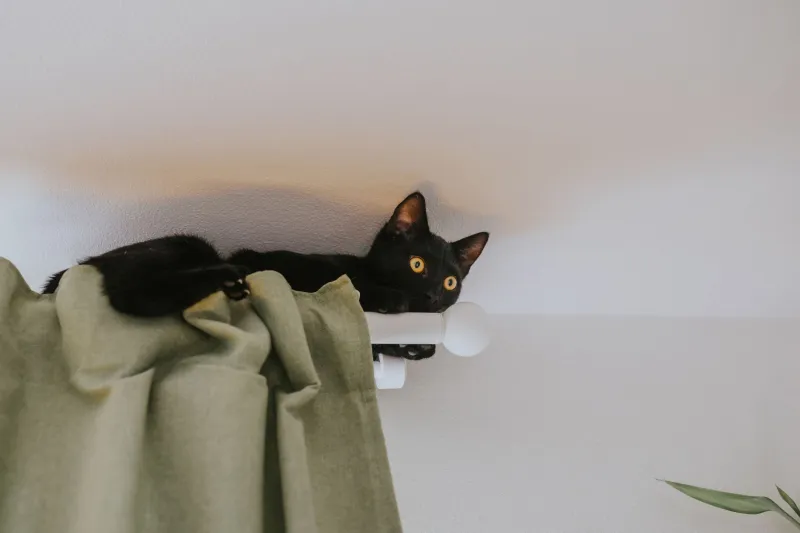
Photo: relaxed cat slow blinking soft eyes cosy cattery blanket, via upload.wikimedia.org
Cats are masters of the understated. A happy cat in a cosy pen may not leap about or call attention to itself. It may simply sit with its paws loose, blink slowly in your direction, and return to its dinner. For owners handing over a much-loved companion, those small details matter enormously. They are the difference between “I think she’s okay” and “I can see she’s beginning to feel at home.”
At Todhill Cattery, we often say that settling in is less of a moment and more of a series of tiny relaxations. The shoulders come down. The tail loses its grip. The eating becomes less cautious. None of it is dramatic, and that is rather the point. Cats prefer their reassurance quiet.
Start with the eyes — but not the stare
A direct, unblinking stare is not a cat’s idea of friendliness. It is more like a question mark, or sometimes a warning. What you want to see is a softer gaze: eyelids slightly lowered, pupils not blown wide, and perhaps that lovely slow blink that cats use with those they trust.
A slow blink is not a party trick. It is a signal that a cat feels safe enough to briefly close its eyes in your presence. In a cattery setting, a cat that offers a slow blink to a familiar member of staff — or to you at handover — is usually saying something worth hearing. It may not be purring or rubbing, but it is communication all the same.
Equally reassuring is a cat that looks around without scanning for danger. Quick, darting glances are normal in a new space, but they should gradually give way to slower, more curious looking. If your cat is watching the goings-on from a comfortable spot rather than pressing itself into the back of the pen, that is a good sign.
The body tells the story
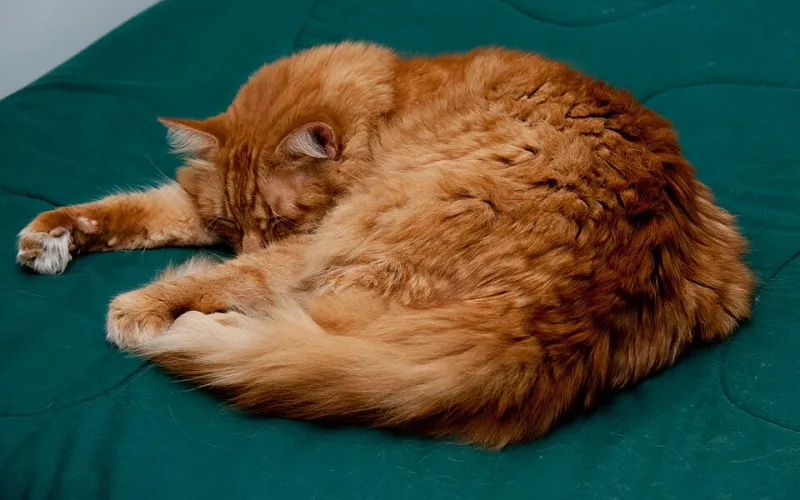
Paws are wonderfully honest. A relaxed cat often rests with paws loose and slightly sprawled, not clenched underneath itself. A tight, tucked posture can mean a cat is feeling unsure, cold or unwell. Of course, cats tuck up to sleep, especially on chilly November mornings, but a cat that stays tightly folded for long periods may need a closer look.
The tail is another quiet narrator. A relaxed tail may curl loosely around the body or lie beside the cat with a gentle tip. A tail clamped tight against the belly, or flicking sharply at the slightest noise, suggests a cat that has not yet decided the coast is clear. Whiskers matter too: softly forward whiskers usually suggest interest, while whiskers pulled back against the cheeks can indicate worry or discomfort.
And then there is eating posture. A cat that eats with its head down and its body reasonably relaxed is usually feeling settled enough to enjoy its food. A cat that snatches a mouthful and retreats to a hiding spot may still be on edge. Neither is a disaster in the first day or two, but it is the sort of detail good cattery staff notice and record.
At the handover
When you arrive, resist the urge to judge everything in the first thirty seconds. Cats are sensitive to change, and your arrival is a change. A cat may be pleased to see you and still look a little guarded. What you are looking for is not a theatrical welcome but a general impression: Is the cat interested? Are the eyes soft? Does it stretch, sniff your hand, or settle back down rather than freeze?
Ask the staff what they have observed rather than only what they think. “How has she been eating?” is useful. “Has she been coming forward when you open the pen?” is better. “What does she do when you sit quietly nearby?” is better still. These questions invite detail, and detail is where the truth lives.
What a good mid-stay update sounds like
A reassuring update is specific. It might mention that your cat ate most of breakfast, used the litter tray normally, and spent the afternoon in the igloo bed rather than behind it. It might say that she accepted a chin scratch and gave a slow blink, or that she watched the room from her shelf with loose paws. It might also say, honestly, that she is still a little quiet and that the team is giving her space rather than crowding her.
That last part matters. A good cattery does not promise that every cat will be instantly sociable. It promises to notice the individual cat in front of it. Some cats settle within hours; others take several days. The right care is responsive rather than rushed.
Questions worth asking
If you want to know how a cattery reads and responds to feline stress signals, ask straightforwardly. How do staff approach a cat that is hiding? What do they do if a cat stops eating or seems tense? Do they use pheromone diffusers, quiet radio, covered beds, or gentle play? How often are notes updated? Who checks the cats overnight?
You are not being fussy. You are asking for the sort of observational care that turns a boarding stay from merely safe into genuinely comfortable. The best catteries welcome those questions, because they are proud of the small, unglamorous work of watching cats closely.
A gentle caveat
No single sign tells the whole story. A slow blink is lovely, but a cat may also slow-blink while feeling unsure. Loose paws are reassuring, but context matters. The real skill is in the pattern: eating, resting, moving, interacting, and recovering a little more each day. That is why good staff keep notes and why owners should feel free to ask for them.
Boarding is not about turning your cat into a different animal. It is about keeping the animal she already is — cautious, particular, affectionate in her own time — comfortable while you are away. Soft eyes and loose paws are not just charming details. They are the quiet language of a cat beginning to exhale.