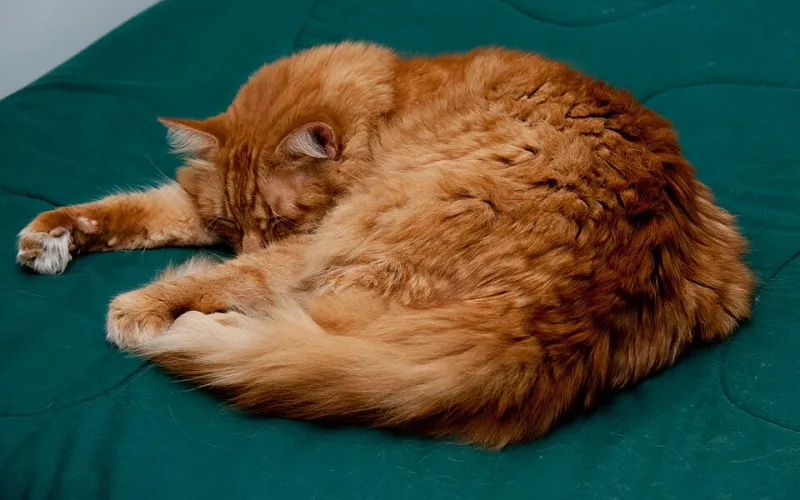
After the Last Rocket: Helping a Sound-Sensitive Cat Find Quiet Again
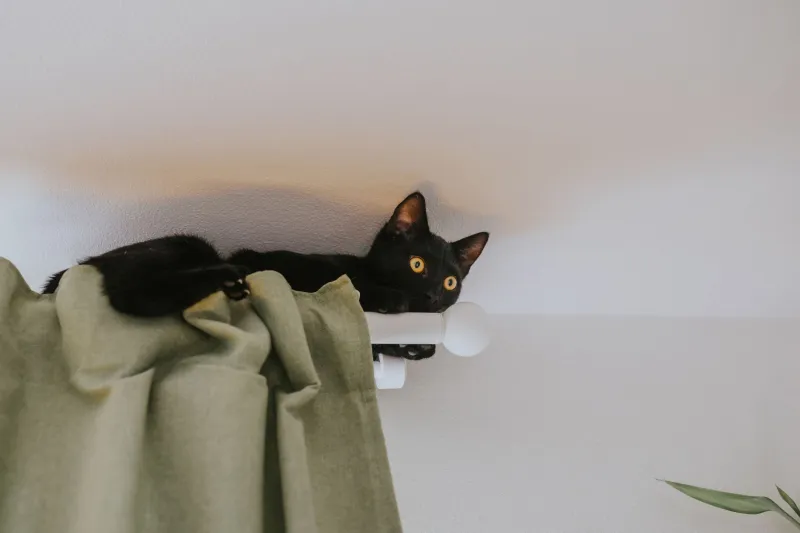
The last rocket of Bonfire Night has faded, but the sky rarely stays quiet for long. A neighbour's leftover box can still send a sharp crack over the rooftops, a wedding or a birthday party can produce an unexpected burst, and then December arrives with its own scatter of celebrations. For a cat who feels sound deeply, this is not a single night to endure. It is a season.
At Todhill Cattery, we meet cats who are brave about many things but who find loud nights genuinely hard. There is no weakness in that. A cat's hearing is tuned for tiny sounds — the creak of a floorboard, the rustle of a mouse — so a firework is not simply loud. It is enormous, sudden, and impossible to place. The good news is that calm can be built in advance, in small and practical ways.
What a frightened cat is actually experiencing
When a cat hears a bang, the body responds before the mind has time to decide anything. Muscles tense, pupils widen, the tail may puff or wrap tight, and the cat looks for somewhere safe. If the noise repeats, the body stays on alert. That is why some cats seem fine on the night itself and then spend the next few days hiding, over-grooming, eating less, or startling at the fridge door.
It helps to remember that hiding is not sulking. It is a coping strategy. A cat who disappears under the bed is doing exactly what a sensible animal should do when the world sounds dangerous. Our job is not to drag them out and prove that everything is fine. Our job is to make the hiding place feel safe, and to keep the rest of the house as ordinary as possible.
The hush corner: covered, familiar, and always available
A reliable hush corner does not need to be elaborate. It needs to be ready before the next loud night, not assembled in a hurry while the first rocket goes off. Choose a quiet room — ideally one away from the busiest street-facing windows — and set up a covered hide. A cat carrier with the door removed and a blanket over the top can work well, as can a sturdy cardboard box with a soft blanket inside. The key is that the cat can get in and out easily, and that the cover does not trap them.
Put familiar bedding inside. Add a worn T-shirt that smells of you, if your cat likes that sort of thing. Keep water nearby, and make sure the litter tray is not a long dash across an open room. Leave the hide in place all the time, not just on noisy nights, so it becomes part of the furniture rather than a strange object that appears when things get scary.
Do not block the entrance or pull the cat out for reassurance. A gentle word from across the room is often better than a hug. Let the cat choose the distance.
Sound masking without adding more noise
You cannot silence the sky, but you can soften the edges of the house. Close the curtains before dusk on nights when fireworks are likely. Shut windows and doors, and draw blinds in the room where your cat tends to settle. A low radio — ideally a talk station, not thumping music — can provide a steady, human-sounding background that makes sudden bangs feel less isolated. A white-noise machine or a fan on a low setting can do a similar job.
The aim is not to drown the noise out completely. It is to give the cat something predictable to listen to. Avoid turning the television up loud or running the washing machine as a distraction; both add their own clatter. Think calm and steady rather than busy.
Keep the daily rhythm boring in the best way
Cats take comfort from routine, especially when the outside world is unpredictable. Feed at the usual times, scoop the tray as usual, and offer a gentle play session before dark if your cat enjoys one. A tired cat often settles more easily, but do not force play on a cat who is already hiding. A few minutes of wand-toy movement near the hush corner may be enough to draw them out, or it may not. Either is fine.
If your cat is very sensitive, keep comings and goings quiet on loud nights. Avoid slamming doors, rattling bins, or inviting visitors who will want to make a fuss. The house does not need to become silent. It needs to feel uneventful.
The quieter signs worth noticing
Some cats become clingy when they are worried; others become invisible. Both are normal. Watch for changes in appetite, litter tray habits, grooming, and sleep. A cat who stops eating, toilets outside the tray, pants, or harms themselves while trying to hide needs a call to the vet. Long-running stress is not something to simply wait out.
A pheromone diffuser or spray may help some cats, but it is not a magic switch. If you are considering one, ask your vet or a qualified behaviourist for advice. The same goes for any supplement or remedy. Gentle care is not the same as guesswork.
Loud nights in the cattery
Here at Todhill, we plan for noisy nights rather than hoping they will pass unnoticed. Blinds are closed early, radios are kept low, and the corridors stay calm. We check guests more often in the evening, not less, so we can see who is eating, who is hiding, and who is simply sleeping through it. We do not ask a frightened cat to perform friendliness. Familiar bedding stays where it belongs, and unnecessary handling is kept to a minimum.
If a cat is especially noise-sensitive, we would much rather know before arrival. Tell us what helps at home — a covered bed, a particular radio station, a favourite blanket — and we can make the room feel more legible. A cattery can be a quiet place, but it is still unfamiliar. The more we know, the less your cat has to work out alone.
Why a New Year stay is worth booking early
New Year's Eve is not the moment to introduce a sensitive cat to a new environment. A cat who arrives on the night itself has two big adjustments at once: unfamiliar rooms and a sky full of bangs. Where possible, book a stay that begins a few days earlier. That gives your cat time to settle, find a hiding spot, learn the rhythm of meals and quiet hours, and feel less like the world has changed all at once.
If you are thinking about a New Year stay, it is worth getting in touch soon. We can talk through your cat's triggers, note any preferences, and help you choose an arrival day that leaves a comfortable buffer. Pack the familiar things — the blanket, the toy, the worn T-shirt — and keep the goodbye calm and brief.
You cannot silence the sky. But you can give a sound-sensitive cat a reliable place to land, a house that feels predictable, and a stay that begins before the first bang rather than in the middle of it. That is a quiet kind of kindness, and it makes a real difference.