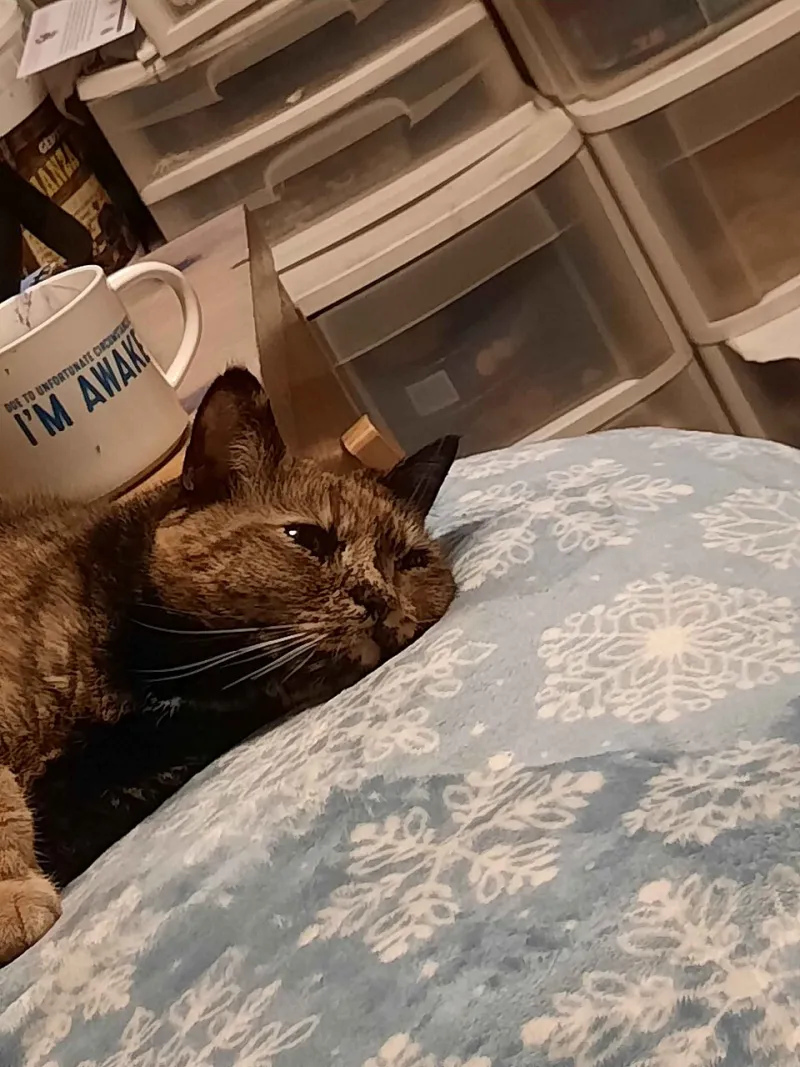
Quiet Corners and Gentle Rhythms: Helping a Timid Cat Settle into Boarding
Photo: KatastrophenKommando, CC BY-SA 4.0, via Wikimedia Commons
Some cats walk into a new space as if they own it. Others need time, quiet, and a good hiding place before they feel brave enough to explore. Neither response is wrong. For shy or nervous cats, boarding works best when the environment offers choice: the choice to watch from a covered bed, the choice to emerge at their own pace, and the choice to accept a gentle hand only when they are ready.
At Todhill Cattery, gentle care and cosy stays are not just a slogan. They shape how pens are arranged, how routines are kept, and how we handle the cats who would rather not be the centre of attention.
Hiding is not sulking
When a cat disappears under a blanket or tucks themselves into a box, they are not being stubborn. Hiding is a normal coping strategy. It reduces visual noise, creates a sense of cover, and gives the cat a chance to observe without being observed. A shy cat who has somewhere to hide is often more confident than a shy cat who is repeatedly coaxed out.
Good boarding design respects that. A pen should have at least one quiet retreat, soft bedding, and a sightline to the door or room without being fully exposed. At home, you might notice your cat choosing the back of a sofa or the inside of a wardrobe. In a cattery, a covered bed or a simple cardboard box can serve the same purpose.
Quiet corners and low-traffic zones
Nervous cats are often sensitive to noise, movement, and sudden changes. A cattery that feels calm is not necessarily silent, but it is predictable. Cleaning happens in a rhythm, doors are closed gently, and people move with purpose rather than rush. Where possible, shy cats are placed away from the busiest walkways and the comings and goings of the day.
This is not about isolating a cat. It is about giving them a low-traffic zone where they can settle. From there, they can choose to come forward. A cat who feels safe in their pen is more likely to eat, use the litter tray, and rest properly.
Soft handling, not forced friendship
A nervous cat does not need a crowd. They need a calm person who understands that slow is fast. Soft handling means approaching quietly, letting the cat sniff first, and never pulling them from a hiding place. It means using a soft voice, supporting the body gently, and keeping handling sessions short. If a cat hisses or flattens their ears, the kindest response is to give them space.
At Todhill, we aim to read the cat rather than rush the routine. Some cats want a chin scratch on day one. Others prefer to watch from a distance for a while. Both are fine. The goal is trust, not performance.
Predictable feeding times and gentle routines
Cats are creatures of habit. They notice when meals arrive, when the litter tray is cleaned, and when the house goes quiet. A predictable routine gives a nervous cat something to rely on. Feeding at consistent times, using the food they already know, and keeping handling and cleaning calm can make a new place feel less chaotic.
Play can be part of that routine too, but it should be offered rather than imposed. A short session with a wand toy at a quiet time may help a shy cat feel bolder. If they are not interested, leave it for another day. The same goes for grooming and medication: gentle, steady, and written down so every visit follows the same pattern.
Preparing a nervous cat for boarding
A little preparation at home can make a real difference. Leave the carrier out for a few days before the stay, with a familiar blanket inside, so it does not appear only on the day of travel. Bring your cat's usual food and a scent item if the cattery allows it. Write down what worries them: the hoover, strange footsteps, being picked up, other cats, or a particular time of day.
Keep the journey calm. A secure carrier, a light cover, and a quiet car help. At drop-off, resist the urge to linger. A brief, confident goodbye is kinder than a long, anxious one. If your cat is on medication for anxiety, discuss it with your vet well in advance; do not change doses or start new treatments without veterinary advice.
Signs a shy cat is finding their feet
Calm looks different for every cat. You might see your cat emerge at quiet times, eat a little more, use the litter tray normally, groom themselves, or sleep with a looser body. A slow blink, a gentle head rub against the pen, or a relaxed tail can all be small victories. Some cats will never become lap cats in a cattery, and that is okay. Settling is not the same as becoming sociable.
Allow time. The first twenty-four to forty-eight hours are often the hardest. A cat may hide, eat less, or be more watchful than usual. If something concerns the cattery team, they should contact you or your vet. Good communication matters, especially for cats with medical or behavioural needs.
The Todhill approach
At Todhill Cattery, we think of a shy cat's stay as a quiet partnership between home and cattery. You know your cat's quirks; we provide the calm space, the gentle routines, and the patience to let them unfold at their own speed. Cosy stays are not about filling every hour with activity. They are about giving a cat the room to feel safe.
If your cat is nervous, tell us. The more we know, the more we can do to make their winter stay feel less like a disruption and more like a soft landing.