The Half-Full Bowl: Gentle Ways to Help a Hesitant Eater Settle at the Cattery
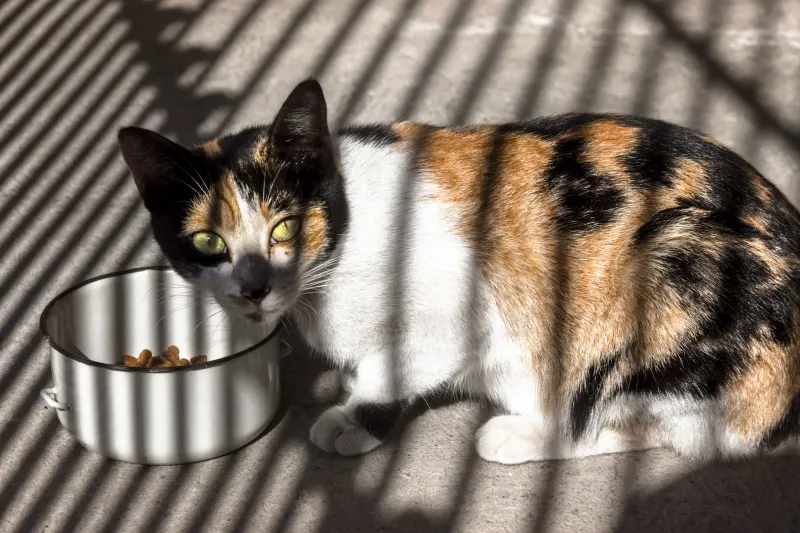
There is a particular kind of worry that arrives about halfway home from the cattery, when you realise you forgot to mention that your cat only eats if the bowl is pushed into the corner by the radiator, and only after you've pretended to walk away. Cats are creatures of small, precise rituals. Change the room, the routine and the person doing the serving all at once, and it is entirely reasonable for them to look at a perfectly good bowl of food as though it has personally insulted them.
The good news is that a short spell of picky eating is one of the most common — and most manageable — things we see at Todhill. It is rarely a sign that something is badly wrong. More often it is simply a cat taking a day or two to decide that this new place is safe enough to relax in. What matters is that we notice it early, keep the pressure low, and make eating feel like the easiest thing in the world.
Start With the Food They Already Know
The single kindest thing you can do for a hesitant eater is to keep their diet exactly as it is at home. A boarding stay is not the moment to switch from chicken to fish, or to try the new brand the vet nurse recommended last month. Bring the food your cat actually eats, in the flavour and texture they actually accept, and bring a little more than you think they'll need. If they normally have a sachet split across two meals, say so. If they only eat the gravy and leave the chunks, mention that too — we would far rather know than watch a bowl go untouched for three days.
A written note is worth its weight in gold. Something as simple as: 'Two pouches a day, half at 7am and half at 5pm, bowl on the floor not in the stand, and she likes company while she eats.' That last detail is easy to miss and often the difference between a cat who eats and a cat who sulks.
It also helps to bring a familiar bowl. It sounds silly until you've watched a cat refuse food from an unfamiliar dish and then tuck in happily from the one they use at home. The same goes for a favourite spoon, a well-worn blanket, or a bit of bedding that smells of your house. Familiarity is an appetite stimulant in its own quiet way.
The Quiet End of the Room
Cats are wary eaters by nature. In the wild, a cat who is distracted while eating is a cat who isn't watching for danger, and that instinct doesn't vanish just because the danger is now a friendly cattery assistant with a mop. A shy or anxious cat will often eat far better in a quiet corner, away from the door, away from other cats, and away from the bustle of the main run.
At home, many cats eat in the kitchen while the house carries on around them. In boarding, the opposite is often true. We look for a spot where the bowl can sit against a wall, with a clear view of the room but no foot traffic directly behind it. Some cats prefer to be left entirely alone; others want a person nearby, sitting quietly, pretending not to watch. Both are normal, and both are easy to accommodate once we know which one your cat is.
It can also help to feed smaller amounts more often. A full bowl can feel overwhelming to a nervous cat. Two or three modest portions across the day are less intimidating and give us more chances to notice interest. Slightly warming wet food — just to room temperature, never hot — releases the smell and can coax a doubtful nose back for a second look.
Portions, Patterns and a Little Gentle Persuasion
A good cattery keeps a simple record of what goes in and what comes back. Not to be fussy, but because patterns matter. A cat who eats a third of their breakfast on day one, half on day two and most of it by day three is telling us a reassuring story. A cat who eats nothing at all for twenty-four hours is telling us something different.
Gentle encouragement works better than pressure. A smear of their usual wet food on a saucer, a few biscuits scattered on the blanket, a hand-fed piece of something they love — these small offerings often break the ice without any drama. What we avoid is standing over a cat, rearranging the bowl every five minutes, or offering a tempting buffet of different foods in the hope that something sticks. Too much choice can be its own kind of stress, and it makes it harder to spot what's actually working.
If your cat is on a prescription diet, or has a condition like diabetes or kidney disease where eating reliably really matters, flag it clearly at handover. Those cats may need a slightly different plan from day one.
What a Good Cattery Is Watching For
Appetite is one of the clearest windows into how a cat is settling. Alongside the food record, we're looking at water intake, litter tray use, grooming, and how relaxed your cat seems between meals. A cat who is eating a little less but is otherwise curious and calm is usually fine. A cat who is eating nothing, hiding, and seems flat is worth a closer look.
It's also worth knowing that cats — especially those carrying a bit of extra weight — can become genuinely unwell surprisingly quickly if they stop eating altogether. Fat is mobilised to the liver, and the liver can struggle to cope. That's why a full refusal lasting more than a day or so is something we'd always want to discuss with you and, if needed, with a vet. This isn't said to alarm you. It's simply the reason we keep such careful notes.
When to Ask for a Vet's Opinion
If your cat has eaten nothing for more than twenty-four hours, is vomiting, seems lethargic, or has other signs that something is off, a veterinary check is the sensible next step. Many catteries work with a local vet and can arrange an appointment quickly. It is far better to have a mild case of stress-related appetite loss confirmed than to sit on something that needs attention.
If your cat is already on medication or has a history of fussy eating, tell us at booking. We can plan around it — a quieter pen, a specific feeding time, a note on the door — rather than improvising on the day.
A Small Bowl, a Lot of Patience
The first meal in a new place is rarely a triumph. It is a small negotiation between a cat and their surroundings, and it usually ends in the cat's favour within a few days. Bring the food they know, tell us the rituals that matter, and let us take the quiet, unhurried approach that suits them. Most reluctant eaters come round with nothing more dramatic than a warm bowl and a bit of peace. And for the ones who need a little more, we'd much rather know early than wonder later.