When the Garden Stops Calling: Settling a Free-Roaming Cat into Boarding

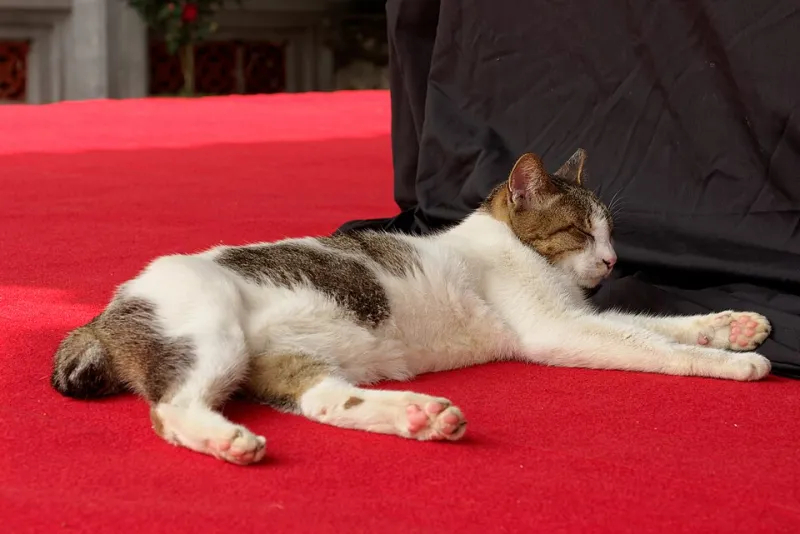
Photo: Bill Nicholls , CC BY-SA 2.0, via Wikimedia Commons
There’s a particular kind of cat who treats the garden like a personal kingdom. They inspect the hedge line at dawn, supervise the recycling, and vanish into the shrubbery with the quiet confidence of someone who knows every inch of their territory. So when a holiday means boarding, it’s natural to wonder how they’ll cope with a cosy room instead of a wide-open lawn.
The answer, happily, is often better than we fear. Cats are adaptable — they just like to do it on their own terms. At Todhill Cattery, we’ve seen plenty of outdoor adventurers settle into indoor life with a little patience, a few familiar comforts, and a handover that helps us understand the cat behind the whiskers.
Start with the scent of home
Outdoor cats rely heavily on smell. Their garden is mapped in scent — the corner where next door’s cat leaves a calling card, the warm patch by the shed, the particular perfume of the compost heap. A cattery room won’t smell like any of that, so bringing a few familiar scents is one of the kindest things you can do.
Pack a blanket they sleep on, a worn T-shirt, or an unwashed cushion cover. Don’t launder these first — the whole point is that they smell of home and of you. A favourite cardboard box can work wonders too, especially one that’s already been sat in, scratched, and generally claimed. If your cat has a particular toy they carry about, bring it, even if it looks a bit worse for wear.
It’s worth avoiding a last-minute washing frenzy before boarding. A freshly laundered bed smells of nothing much; a slightly grubby one smells of safety.
Recreate the view, not the territory
Many outdoor cats are watchers. They don’t just want to be outside; they want to see what’s happening. A window perch, or simply a chair placed near a window, can turn a strange room into a place worth settling in.
Ask the cattery whether they can position your cat’s room with a view of the bird table or a quiet corner of the garden. At home, your cat might spend hours chattering at blue tits through the glass. That same pastime can carry over beautifully in boarding, giving them a familiar job to do: keeping an eye on things.
If your cat has a favourite window hammock or perch, check whether it can come along. Some catteries are happy to accommodate small pieces of furniture; others provide their own. Either way, the principle is the same: give them something to look at, and the room starts to feel less like a waiting area and more like a place to be.
Make the room a puzzle, not a prison
Outdoor cats are used to stimulation. There are smells to investigate, leaves to chase, and the constant possibility that something interesting might happen. An indoor room can feel flat by comparison, so a little enrichment goes a long way.
Simple things work best. A cardboard box with a few treats hidden inside. A paper bag to rustle. A scratching post positioned near the door. A feather wand left with the staff for playtime. Some catteries offer climbing shelves or raised platforms, which can be a gift for a cat who likes to survey their surroundings from height.
You don’t need to pack an entire pet shop. A couple of familiar toys and a note suggesting what your cat enjoys will help the team put together a routine that feels rewarding rather than empty.
The handover note that helps
Cattery staff are good at reading cats, but they can’t know your cat’s personal quirks without help. A short, clear handover note is worth its weight in gold.
Tell them the essentials: what your cat eats and when, whether they’re on any medication, and how they usually behave when they’re unsure. Mention the small things too. Does your cat prefer to be brushed before dinner? Do they like a particular hiding spot when the hoover comes out? Are they a head-butter or a back-off-and-observe kind of companion?
And do mention the outdoor habits. “Usually asks to go out at seven” or “spends most of the afternoon in the window” gives us a useful picture of your cat’s normal rhythm. We can’t recreate the garden, but we can offer a version of the day that feels familiar.
Expect a little protest
Some outdoor cats make their feelings known in the first day or two. There may be a bit of pacing, a few pointed meows, or a period of dignified hiding. This is normal. It’s not a sign that boarding was a mistake; it’s a sign that your cat is adjusting.
Usually, the turning point comes within 24 to 48 hours. The scent of home starts to register, the window becomes interesting, and the routine begins to feel less strange. Staff can keep you updated, and a mid-stay photo of a cat who has finally decided that the bed is acceptable can be enormously reassuring.
A gentle return to the garden
When you get home, don’t fling the back door open immediately. Let your cat reacclimatise indoors first, then offer short, supervised trips outside. They may be eager; they may be cautious. Either way, a calm, gradual return is kinder than a sudden reunion with the great outdoors.
Outdoor-loving cats don’t need to lose their spirit just because they’ve had a cosy stay indoors. With familiar smells, something to watch, a bit of enrichment, and a handover that helps us understand them, most settle beautifully. The garden will still be there when they get home — and in the meantime, there’s a window perch with their name on it.