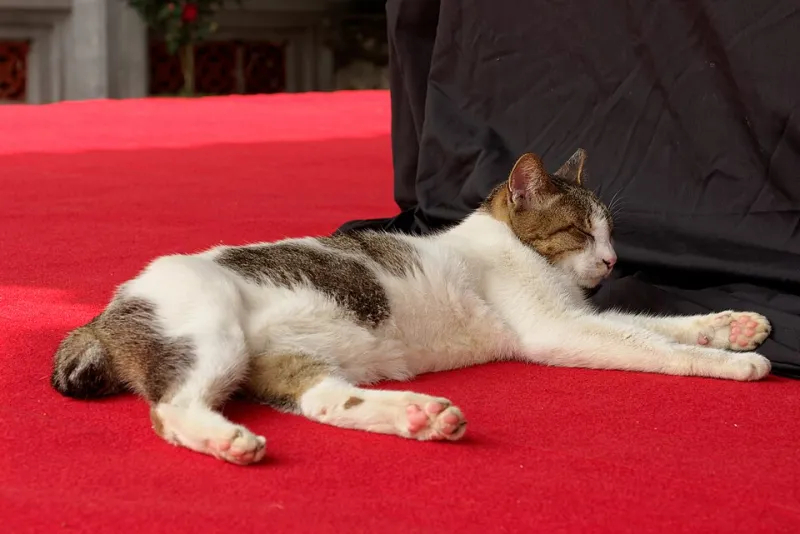
The Puddle of Two: Boarding a Bonded Pair Without Breaking Their Little Routines

Photo by Photo by JOGphotos on Unsplash on Unsplash
There is a particular shape a bonded pair makes on a sofa. Usually a circle, sometimes a long comma, occasionally one cat draped over the other like a slightly too heavy blanket. If you live with that shape, you will know exactly what we mean — and you will also know why the idea of leaving them somewhere unfamiliar feels like more than one decision.
Boarding a pair is not complicated, but it does reward a bit of thought in advance. Here is how we approach it, and what to look for when you are choosing where they go.
First, is it a bond or a truce?
Cats are often described as bonded when they are really just politely sharing a house. A true bond usually looks like this: they sleep touching, they groom each other around the head and neck, they eat near one another without a flicker of tension, and one will wait at the door for the other to come in. There is often a shared vocabulary of tiny sounds.
A truce looks different. Two cats who have agreed on a timetable, avoid each other by half a metre, and squabble briefly over the best chair. That is not a failing — it is a perfectly normal feline arrangement — but it does mean the pair may not need to be housed together, and one of them might genuinely prefer a bit of space. Honest observation of your own two is the most useful starting point.
Questions worth asking before you book
A cattery that hosts pairs regularly will have clear answers to all of these, and will probably ask you some of the same back.
- Is there shared accommodation, or adjoining pens? Some places offer a double suite with a divider that can be opened, or two pens with a mesh panel between so the cats can see and smell each other without crowding.
- How often are pairs housed here? Experience matters more than the brochure photos. Ask how they have handled a pair where one is bolder than the other.
- Can they stay together overnight? Ideally yes, if the suite allows it. The first night is when reassurance is worth most.
- How does feeding work? Separate bowls, set apart, is the standard for pairs — especially if one is a bowl-robber or on a prescription diet.
- How many litter trays? The usual guidance is one per cat, plus one spare. For a pair, that means three, or at least two in a pen with room to place them well apart.
- What happens if one needs the vet? You want the answer to include 'we ring you first' and a plan for keeping the other cat comfortable while its companion is away.
- Is the cattery licensed and inspected? In the UK, boarding establishments must hold a local authority licence under the animal activities regulations. Any good cattery will tell you this without hesitating.
If you can visit before booking, do. A tour tells you more about the noise levels, the hiding places and the sense of calm than any website will.
Packing for two: scent, scent, scent
Cats rely far more on smell than on sight, and a boarding pen smells of nothing familiar at first. Two small things fix a lot of that.
Bring a blanket both cats sleep on at home, and do not wash it first. Bring a worn T-shirt of yours. A familiar toy, a scratching post pad if it travels easily, and the exact food they eat at home all help. If your cats are on a specific brand, send enough for the whole stay plus a day of spare — sudden food changes are a common cause of an unsettled stomach, and you do not want that on top of a new environment.
If possible, keep the feeding times the same as at home. Small rituals — the same bowls, the same order of events, a bit of fuss afterwards — are quietly reassuring.
Travelling together, arriving together
For a close pair, a single large carrier lined with their own blanket often works beautifully, provided both cats fit comfortably, can stand and turn, and you can lift the whole thing safely. If they are on the larger side, two carriers are fine — but then choose ones that let them see and smell each other, and do not separate them in the car. Pop a piece of the same blanket in each.
At handover, ask to go in together. Letting two cats out into a new pen in each other's company is much gentler than doing it one at a time, and staff used to pairs will usually suggest it anyway. Say a calm goodbye rather than a long one. Cats read our tone more than our words, and a lingering, anxious farewell does not go unnoticed.
How to tell they are coping
You are looking for small, ordinary things rather than dramatic ones. Eating within a day or so. Using the litter tray. Sleeping near each other, even if not in the usual heap at first. Grooming, eventually. Curiosity about the person who brings the food.
Worth mentioning to staff, rather than worrying about alone: a pair who suddenly choose opposite corners, one cat guarding a bowl or a tray, hissing that never happens at home, or one companion going very quiet while the other does all the exploring. Cat-to-cat tension often shows up at night when the pen is dark and the staff have gone, which is exactly why good catteries watch carefully in the first 48 hours.
When togetherness needs a little adjusting
Occasionally the kindest arrangement is together for company, separate for meals and litter. If one cat is recovering from illness, on a special diet, or simply a bit of a bully around food, ask whether the suite can be split at those specific times. A good cattery will see this as sensible rather than fussy.
A quiet word on booking
December and January fill quickly, and pairs take up more space than single guests — worth remembering if you are planning a festive or new-year trip. Book early, mention that your two are a bonded pair when you enquire, and tell the staff their little habits: who eats first, who prefers the high shelf, who complains at four in the morning.
The truth is that most bonded pairs settle faster than their owners expect. Cats take their sense of safety from each other as much as from us, and when they are housed together, with their own scent around them and a calm hand on the pen door, the puddle of two usually reforms within a day or two. Then it is just a case of packing them up again and taking them home.