Handover Jitters: Why It's Completely Fine to Feel Wobbly Leaving Your Cat
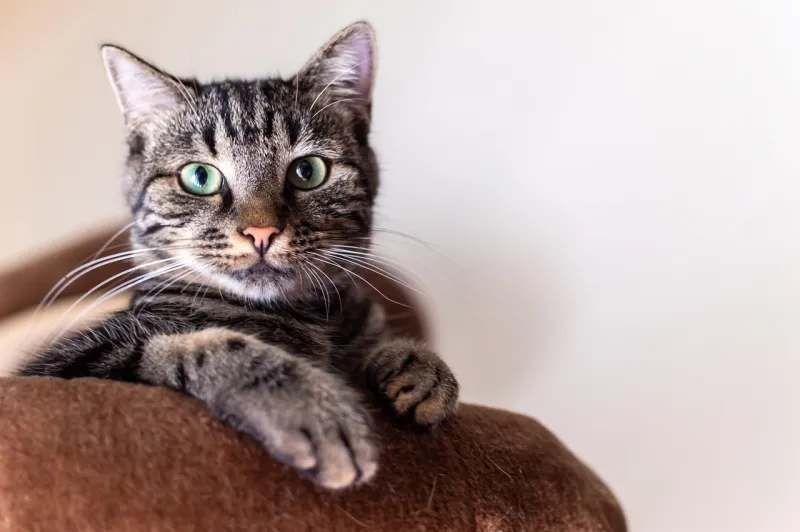
Photo: Mel Elías mieldalabeja, CC0, via Wikimedia Commons
There is a particular moment at every cattery, and it happens in the car park. The engine is off, the carrier is on the passenger seat, and you suddenly feel as though you are doing something faintly unforgivable. Your cat is quiet. You are not. Somewhere between the boot and the front door, a small voice pipes up: am I really doing this?
You are. And it is fine. But let's talk about the wobble, because almost everyone has it and hardly anyone says so out loud.
The feeling isn't a red flag
Guilt gets a bad reputation. In this context, it's simply evidence that you've built a routine around another creature's comfort — that you know what time they like their supper, which chair they claim at four in the afternoon, and how they sound when they're pretending not to want a lap. Leaving all that behind for a few days feels unnatural because it is a break in the pattern.
What it isn't is a sign that you've chosen badly. Boarding exists precisely because life occasionally asks us to be somewhere else — a wedding in Whitby, a hospital appointment, a week with family who are allergic to fur. The kind thing is not to abandon your plans; it's to make sure your cat is looked after properly while you get on with them. That's what you've done.
Cats pick up on the weather in the room
Here's the practical bit. Cats are not great readers of calendars, but they are excellent readers of us. If the handover is rushed, tense and full of apologetic murmuring, your cat will notice that something is up long before they notice the new surroundings.
So before you go in, take one slow breath in the car park. Unclench your jaw. Put the phone away. When you lift the carrier, do it the way you would on any ordinary Tuesday — steady, unhurried, a bit boring. Boring is a gift here. It tells your cat that nothing dramatic is happening and that the person carrying them is still the person they know.
If you can manage a cheerful, matter-of-fact tone at the door, do. Save the wobbly voice for the drive home, where it can't confuse anybody.
Get the admin out of the way early
A surprising amount of drop-off anxiety is actually admin anxiety wearing a coat. Papers not printed, medication not labelled, the question of whether you mentioned the funny little habit with the water bowl — all of it bubbles up in the final ten minutes and makes an emotional moment feel chaotic.
So do the dull bits the night before. Pop the paperwork in a folder, write a short note about food and quirks, pack the familiar blanket on top where it can be reached easily. If you're leaving medication, double-check the labels while you're still calm and sitting down with a cup of tea, not while balancing a carrier on your knee.
The less there is to sort at the door, the more room there is to say a proper, calm goodbye.
Make the goodbye short and warm
Long, lingering farewells are harder on cats than on us. A cat being handed over doesn't need a speech; they need a familiar smell, a friendly face and a quick settling into somewhere quiet.
A good handover looks like this: a few words with the staff, the carrier placed down gently, one last scratch behind the ear if your cat is amenable, and then out. No second return to the door. No hovering in the car park. The clean break is kinder — for them, and honestly for you too.
If it helps, give yourself a small ritual. Some owners say see you Saturday out loud, quietly, in the car. It sounds silly until you do it, and then it doesn't.
Give your own day a shape
Guilt thrives in empty space. The first evening at home, with no paws on the stairs and no one shouting for dinner at five, can feel strangely hollow. Plan something for it — not as a distraction from your feelings, but as a bit of structure around them.
Meet a friend. Cook the meal your cat would absolutely try to steal. Go for a walk at the time you'd normally be doing the evening feed. Rearrange the bookshelf. Anything that gives the day a shape other than waiting.
It also helps to remember that you are allowed to enjoy the break. Having a bath without an audience, sleeping through the night, leaving a jigsaw out on the table — none of that makes you a bad owner. It makes you a person who is also looking after themselves.
Ask for the small updates
Most catteries are happy to send a photo or a short message once your cat has settled — and the good ones will tell you honestly how things are going rather than just what you want to hear. Do ask. There's no shame in it.
A useful update tells you something specific: whether they've eaten, where they've chosen to nap, whether they've come out to say hello. That kind of detail does far more for the nerves than a generic all fine, and it lets you picture your cat as comfortable rather than pining.
Give it a day, though. The first few hours are for settling, not for performing.
Reframing the stay as part of the routine
Here's the thought worth keeping: boarding isn't a pause in your cat's life. It's a few days of it, spent somewhere with soft bedding, a quiet corner and people who know what they're doing. Many cats come home relaxed, a little smug, and entirely unsurprised to see you.
The relationship doesn't reset because you left the building. You'll still be the one who knows the water bowl habit, who gets the head-bump at six in the morning, who is, and remains, home.
So take the breath in the car park. Hand over the carrier. Say see you Saturday. Then go and do the thing you're going to do, knowing your cat is in gentle hands — and that the wobbly feeling was never a warning, just a bit of love with nowhere to go for a few days.